
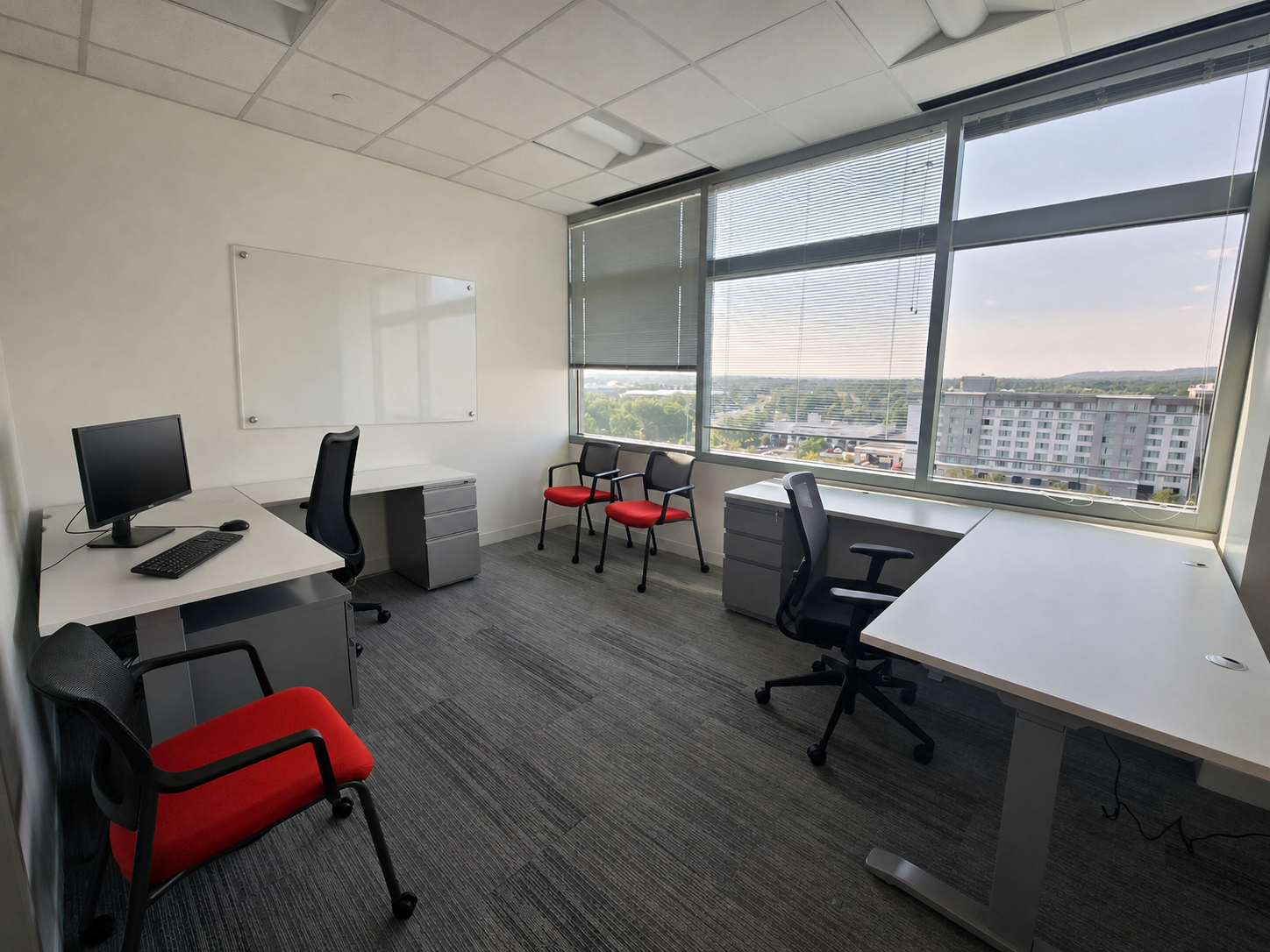

August carries a quiet momentum. Even before anyone names it, the light sharpens, the days trim themselves at the edges, and the season’s rituals quietly change. The pool towels are folded away. Backpacks appear where beach chairs once claimed space. Unannounced, we begin to reset not because the calendar insists, but because the world itself signals it’s time for something new.
Kids return to school. Families adopt new routines and rhythms. There’s a fresh start energy—one that owes nothing to a calendar, and everything to the subtle transformation of light, pace, and possibility.
The office feels this shift, too—yet it’s often the last space we think to renew. While homes, classrooms, and even mindsets recalibrate, the workplace lags, waiting for permission to change.
You Don't Need a Full Renovation to Change How Space Feels
Here’s the trap: we assume “doing something” about the office must mean a grand overhaul—a new floor plan, a new lease, a transformation that waits for a massive budget. In the meantime, peeling paint continues to peel, rolling chairs keep squeaking, and nothing changes until it’s time for a headline project. The little things people notice every day—are left untouched, tabled until some distant, bigger moment.
But perception isn’t on hold. People register the state of their space every day, shaping how they feel about work long before blueprints or budgets enter the conversation.
Small Spend, Big Perception.
Here’s what people notice within a week of walking back into a refreshed space:
- Fresh paint in high-traffic areas
- Lighting that isn’t fighting them
- Clear wayfinding
- A break room that feels considered instead of leftover
- Reception that says something about the company
None of that requires a capital campaign. All of it shows in employee feedback.
Spend Where Perception Lives
When budgets are tight—as they almost always are—the answer isn’t to do less. It’s to invest where perception lives. A gallon of paint in a corridor everyone walks through twice a day does more for morale than an invisible budget line. A reception area that truly reflects your identity shapes a candidate’s first impression more powerfully than almost anything else.
If you’ve got a modest number and a tight timeline, that’s still a workable brief. It’s one we build often, and it doesn’t need to wait for a bigger moment to start.
The Small Move Is the First Move
The crucial truth: a small, intentional refresh isn’t a distraction from broader transformation, it’s the catalyst. The first ripple. The beginning of momentum.
Addressing what people notice first—paint, lighting, wayfinding, the break room—does two things. It immediately elevates the daily experience and acts as a living test for what space truly needs. The squeaky chairs and peeling paint aren’t just annoyances; they’re data points, honest signals pointing toward deeper conversations: renovation, relocation, renewal, or reinvention.
Start small. Let it lead somewhere.
August is more than a month on the calendar; it’s an invitation. While the world around us quietly resets, maybe it’s time to let our spaces—and our thinking—reset, too.